Insights on AI, SEO & Digital Marketing

How Self-Attention and Softmax Work in Transformers
Self-attention identifies which parts of an input sequence relate to each other, while softmax converts those relationships into probability weights. Together, they form the core processing loop of transformer models that power ChatGPT, Claude, and modern AI systems.

How to Build an AI Agent with Voice and Vision Using Gemini
Learn how to build a multimodal AI agent that combines real-time voice conversation with webcam vision using Google's free Gemini Live API. This tutorial walks you through establishing WebSocket connections that stream audio and video simultaneously while handling bidirectional communication for natural interruptions. You'll need approximately 150 lines of Python code to coordinate audio input, video frames, and real-time response synthesis.

Toast vs Square AI Restaurant Review: Real Costs & ROI
Toast and Square bundle AI features into mid-tier and premium restaurant POS plans, but utility diverges sharply at the 4-location mark. Toast's inventory forecasting works for centralized purchasing across 8+ locations, while Square's scheduling AI handles single-location labor better but requires manual override 60%+ of the time for multi-site operations. Hidden costs add $14,000 to $22,000 annually for a 10-location group.
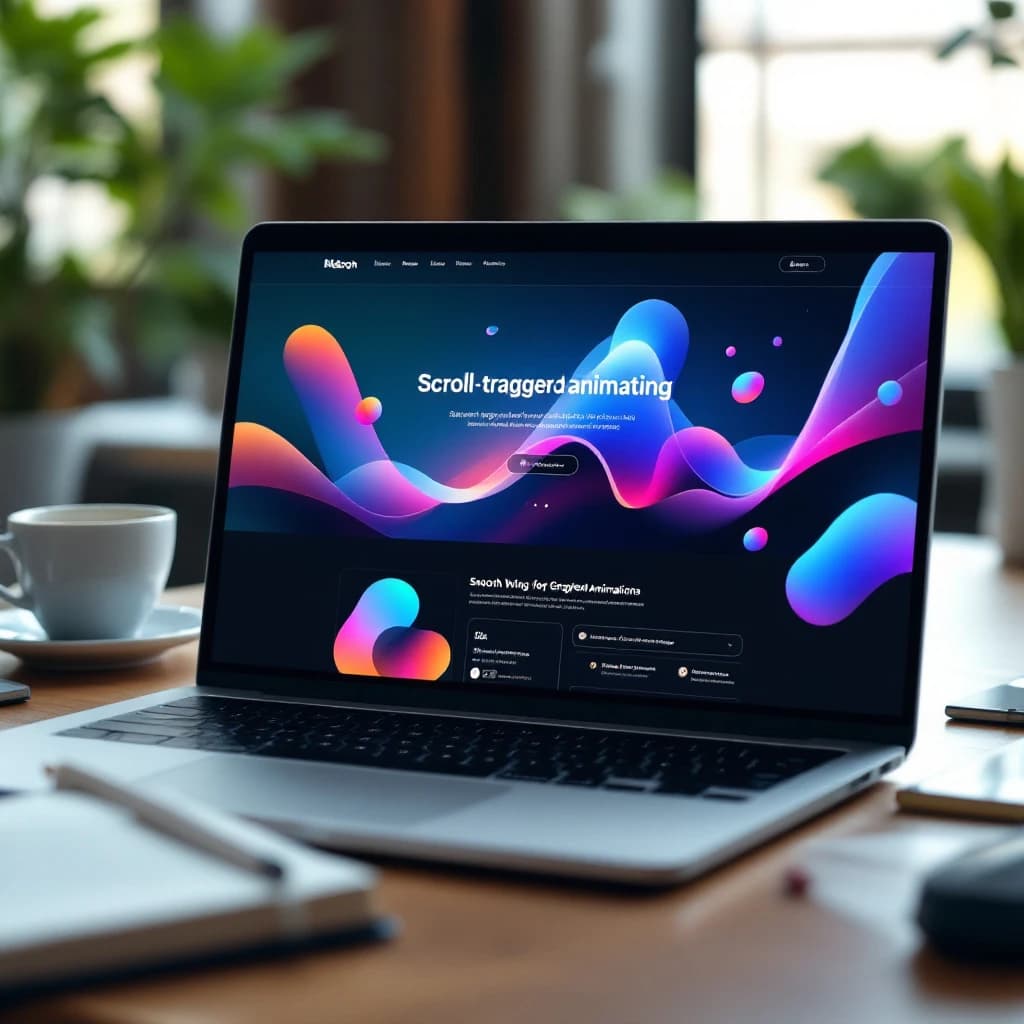
How to Create Scroll Animated Websites with AI No Code
You can create professional scroll-animated websites without coding by using AI tools that convert text prompts into interactive web designs. Higgsfield and similar platforms let you describe animations, layout, and interactions in plain English, then generate HTML, CSS, and JavaScript automatically. The process takes 10-30 minutes for a complete landing page with scroll effects that would normally require hours of manual coding.

Should I Use Microsoft AI Models or OpenAI for Business?
Microsoft launched two proprietary AI models in June 2025 at roughly 30% lower cost than OpenAI's offerings. This guide compares Microsoft AI models vs OpenAI for business use cases, pricing, and Microsoft 365 integration to help you decide which platform fits your workflow automation needs.

CPU GPU TPU NPU for AI: What's the Difference?
The four main processor types powering AI are CPUs, GPUs, TPUs, and NPUs—each optimized for different AI tasks. CPUs orchestrate workflows, GPUs excel at parallel computation for training models, TPUs optimize tensor operations at scale, and NPUs enable on-device AI inference. Understanding these chips helps you choose the right hardware for running AI locally and make informed deployment decisions.

What Is Dimensionality Reduction in Machine Learning
Dimensionality reduction in machine learning reduces the number of input features while preserving important information. This guide explains PCA, SVD, and ICA techniques, when to use each method, and how to implement them in Python to speed up training and improve model performance.

Hotel AI Chatbot Problems: Booking Failures Explained
Hotel AI chatbots fail at critical moments by mishandling edge-case questions about pet policies, accessibility, and late check-ins, then abandoning high-intent guests without human escalation. These silent failures cost properties thousands in lost bookings during shoulder season when every conversion matters. Most hotels deployed chatbots without instrumentation to catch these problems, repeating costly mistakes.
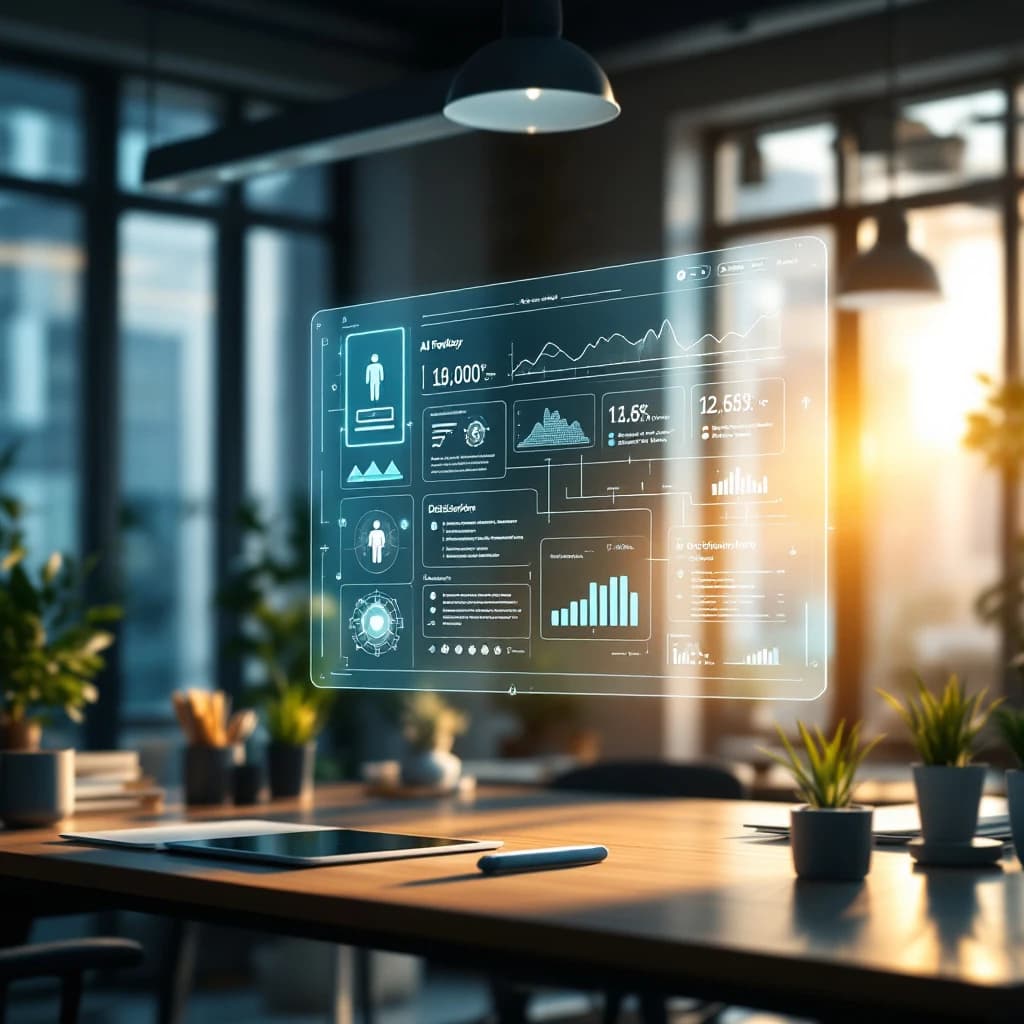
How to Control AI Tools in Your Business Safely
Building AI controls means creating layers: clear boundaries for what your AI can do without approval, checkpoints where humans must review decisions, and complete logs of every AI output. This guide shows you exactly what to monitor, how to track AI decisions, and how to build accountability before issues emerge with specific steps, not abstract frameworks.

How to Use Machine Learning to Predict Sports Outcomes
Building a machine learning model to predict football match outcomes teaches you more about real-world ML challenges than a dozen toy datasets. This case study walks through merging multiple data sources, comparing model architectures like LightGBM against logistic regression, and handling severe class imbalance when predicting draws. You'll discover that Elo rating difference dominates feature importance and learn the actual engineering decisions behind building a soccer prediction system.

How to Use AI Code Agents to Solve Problems with Python
AI code agents solve problems by writing and executing Python code instead of generating text-based guesses. Unlike standard chat models that predict the next word, code agents follow a five-step workflow to deliver verified answers. This guide walks you through the complete setup using free tools like smolagents and Groq's Llama API.

How Much Does AI Cost for Hotel & Restaurant Groups 2026
AI consulting for hotel and restaurant groups in 2026 costs between $15,000 and $85,000 for the first year across a typical 3-10 location portfolio, with per-location software running $1,500 to $12,000 monthly. The real question isn't the sticker price-it's whether you're buying AI that pays back in year one or funding a vendor's roadmap while your POS data sits too dirty to deliver ROI.

How to Identify AI Implementation Gaps in Your Business
You've bought AI tools but your work hasn't changed. The problem isn't your tools—it's the missing connections between those tools, your data, and your workflows. This guide shows you how to diagnose exactly where your AI implementation is failing and how to build the integration layers that make AI actually work.

Which AI Models Will Report Users for Harmful Requests
Major AI models take dramatically different approaches when you ask them to help with harmful requests. Claude, Gemini, and Grok actively refuse and may flag concerning requests, while GPT-4 and Llama tend to stay more obedient without reporting. This creates a fundamental tradeoff between safety-focused models that protect against misuse and highly obedient models that offer more flexibility but pose greater risks.

AI Time Entry Law Firm Partner Adoption: Real Metrics
AI time entry tools for law firms promise to capture billable hours automatically, but partner adoption is the only metric that determines renewal ROI. Most firms hitting their first renewal cycle in 2026 are discovering that pilot success with associates doesn't predict equity partner compliance rates. This analysis compares LeanLaw, Smokeball, and Clio Duo adoption patterns and reveals what drives partner buy-in.

How to Build a Self Debugging AI Coding Agent in Python
Build an autonomous AI coding agent in Python that writes, executes, debugs, and rewrites code automatically. This tutorial shows you how to create a closed-loop system that sends code to an LLM, runs it safely, captures errors, and feeds them back until the code works. Learn the core components including LLM integration, sandboxed execution, error parsing, and retry logic.

What Is the Difference Between On-Policy and Off-Policy RL?
On-policy reinforcement learning algorithms learn from actions taken by their current policy, while off-policy algorithms learn from any experience, including old data or actions from different policies. This distinction determines whether you can use experience replay buffers, how safe your training process will be, and what exploration strategies you can employ. Your choice between them depends on whether you're training in simulation or in real-world environments where unsafe exploration could cause damage.

Train ML Models Small Datasets Geospatial Data Guide
Training geospatial machine learning models with scarce field samples requires spatial block cross-validation instead of random splits, smart feature engineering over model complexity, and uncertainty maps for deployment. If your validation metrics look suspiciously good with fewer than 200 samples, you've likely fallen into the spatial autocorrelation trap that inflates performance by 40-60%.

How to Use Claude AI with Obsidian Note Taking App
Connect Claude AI directly to Obsidian through community plugins or API integrations that transform your note-taking app into an intelligent research and writing assistant. This guide walks you through setup using the Text Generator plugin, API key configuration, and practical workflows for summarizing notes, synthesizing research, and querying your knowledge base with natural language.

How to Build an AI Agent That Controls Your Computer
Build an autonomous AI agent that controls your computer using free tools: Google's Gemini Flash for screen analysis, Meta's LLaMA 3.3 70B for decision-making, and PyAutoGUI for executing actions. This tutorial shows you how to combine vision models, reasoning engines, and automation tools into a working computer-control agent that runs locally at zero cost.

How Does AI Document Review Work in Litigation?
AI document review in litigation uses machine learning to classify, prioritize, and surface relevant documents from massive collections. You feed the system a sample of coded documents, the algorithm learns what makes a document responsive or privileged, then scores the rest of your corpus. In 2025, large language models reached parity with traditional TAR on accuracy while cutting per-document review cost by 30 to 40 percent.
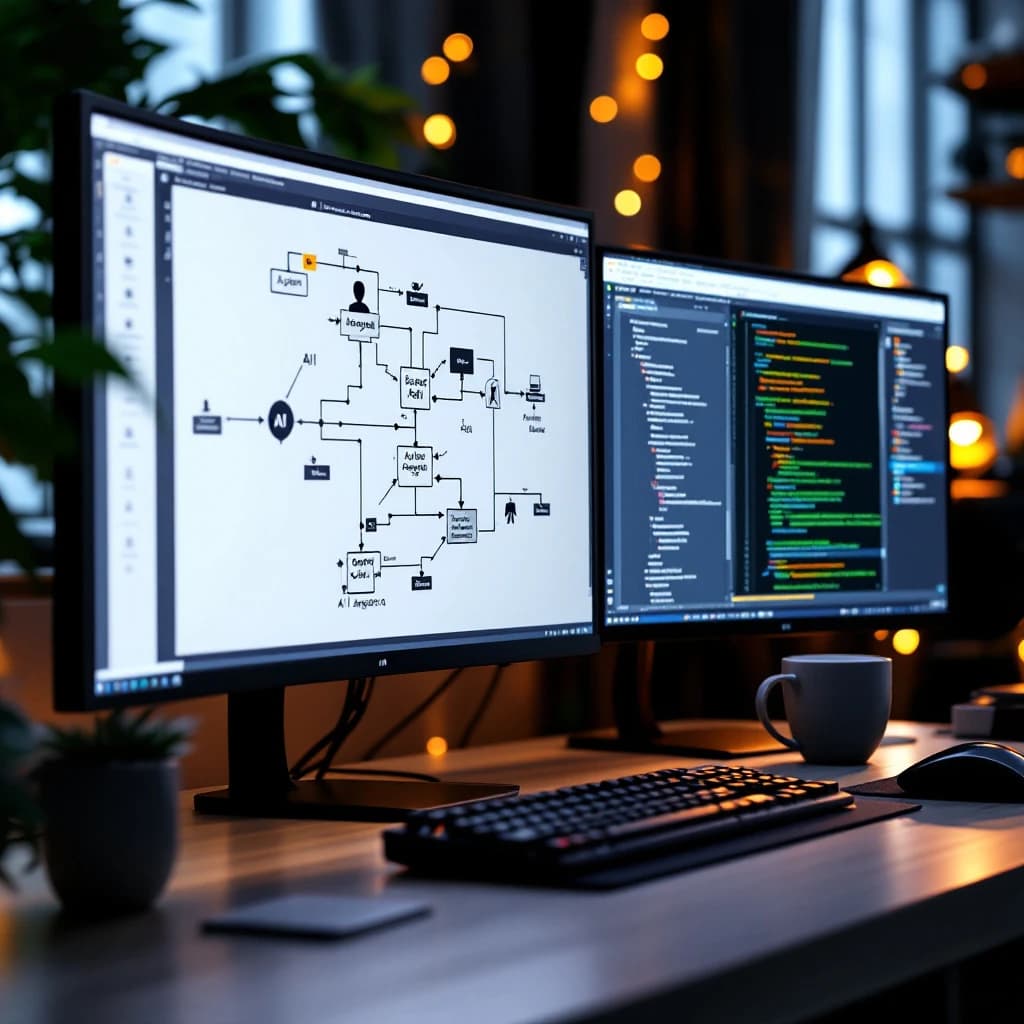
How to Build an AI Agent from Scratch with LangChain
Building an autonomous AI agent requires the ability to use external tools, maintain state across multiple steps, and reason through complex tasks iteratively. This tutorial walks you through building a working agent from scratch using LangChain and LangGraph, covering architecture decisions, code implementation, and common failure modes you'll need to handle.

How to Build Agentic AI Infrastructure That Doesn't Fail
Most AI agent projects fail within 90 days because teams skip infrastructure and jump to deployment. You need four foundational layers built in order: governance, orchestration, action, and deployment. This guide shows you how to build agentic AI infrastructure that survives production.

Will AI Take My Job or Is Inequality the Real Problem?
Your anxiety about AI taking your job is rational, but you're asking the wrong question. The real issue isn't whether AI can do your work—it's who gets the benefits when AI makes that work 10 times faster. Understanding this shift from "will robots take my job" to "who captures the productivity gains" changes where you direct your energy and how you protect your career.